


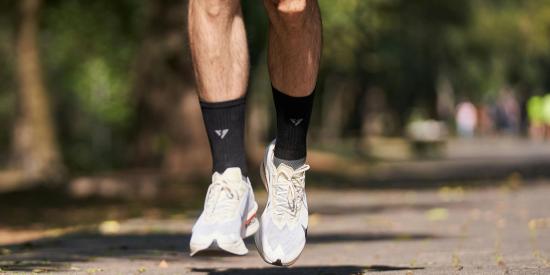
As winter ends and temperatures begin to rise, many people naturally increase their activity levels. Longer daylight hours, improving weather, and the return of outdoor recreation often motivate individuals to move more after a relatively sedentary winter.
While this seasonal transition is beneficial for overall health, physiotherapists commonly see an increase in overuse injuries during the early spring months. These injuries typically occur when activity levels increase faster than the body’s tissues can adapt.
Understanding why this happens can help individuals return to activity safely while maintaining performance and reducing injury risk.
WHY ACTIVITY CHANGES IN SPRING CAN LEAD TO INJURY
Several factors contribute to increased injury risk during seasonal transitions.
Rapid increases in activity levels
Many individuals significantly increase their exercise volume in spring, moving quickly from limited winter activity to more frequent running, sports, or outdoor recreation. Muscles, tendons, and joints may not yet have the capacity to tolerate this sudden increase in load.
Reduced winter conditioning
Lower activity levels during winter months may lead to reduced muscular strength, joint mobility, and tendon capacity. When activity resumes in spring, tissues may be less prepared to handle repetitive stress.
Changes in movement patterns
Outdoor activities such as running, cycling, hiking, and recreational sports often involve different movement patterns than indoor winter activities. These new demands may expose underlying weaknesses or movement limitations.
Accumulated tissue stress
Overuse injuries typically develop gradually when tissues experience repeated loading without sufficient recovery. Small irritations can build over time if training intensity increases too quickly.
COMMON OVERUSE INJURIES SEEN IN SPRING
During the early months of increased activity, physiotherapists commonly see several types of overuse injuries. These conditions often develop gradually as tissues adapt to higher loads after a period of reduced activity during the winter.
Achilles tendon irritation
A sudden increase in running, jumping, or high-impact activity can place additional stress on the Achilles tendon. Individuals may notice stiffness in the morning, discomfort during running, or tenderness along the back of the ankle. Without proper load management, this irritation can progress into Achilles tendinopathy.
Patellar tendon pain
Patellar tendon irritation, often referred to as “jumper’s knee,” is frequently associated with activities that involve repetitive jumping, running, or rapid acceleration and deceleration. Athletes may experience pain at the front of the knee, particularly during squatting, stair climbing, or landing movements.
Plantar fascia irritation
An increase in walking, running, or standing activity can place additional strain on the plantar fascia. Symptoms often present as heel pain, particularly during the first steps in the morning or after periods of rest.
Shin pain (medial tibial stress syndrome)
Commonly referred to as “shin splints,” this condition is often related to a rapid increase in running distance or intensity. The repeated loading of the tibia and surrounding muscles can lead to pain along the inner border of the shin, particularly during or after activity.
Hip and knee discomfort
When training loads increase, movement inefficiencies or strength imbalances may become more noticeable. Reduced hip strength, limited ankle mobility, or poor lower limb control can place additional stress on the knees and hips during running, jumping, and change-of-direction movements.
These symptoms often begin as mild discomfort but may gradually worsen if activity levels continue to increase without appropriate recovery or strength preparation.
HOW TO SUPPORT A SAFE RETURN TO ACTIVITY
Gradual progression is one of the most effective ways to reduce injury risk during seasonal transitions.
Increase activity progressively
Gradually increasing training volume allows tissues time to adapt to new demands.
Maintain strength and stability
Strength training supports joint control and helps distribute load more effectively through muscles and connective tissues.
Prioritize recovery
Sleep, hydration, and rest between training sessions help the body adapt to increasing workloads.
Pay attention to early symptoms
Persistent stiffness, discomfort during activity, or reduced movement confidence may indicate that adjustments are needed in training load or movement patterns.
HOW PHYSIOTHERAPY CAN SUPPORT SPRING ACTIVITY
Physiotherapy plays an important role in helping individuals return to activity safely and confidently.
At OPTSC, physiotherapy care may include:
- Comprehensive movement assessments
- Identification of strength or mobility limitations
- Individualized load management strategies
- Strength and control programs tailored to activity goals
- Education to support long-term injury prevention
Addressing symptoms early can help individuals remain active while reducing the likelihood of more significant injury progression.
WHY SOCCER PLAYERS SHOULD PAY ATTENTION DURING SPRING
The transition into spring is especially important for soccer players preparing for the outdoor season. Increased running distance, sprinting, cutting, and rapid changes of direction place significant stress on the hips, knees, and ankles.
If training intensity increases too quickly after winter, players may experience issues such as Achilles irritation, knee discomfort, or muscle strains. Gradual conditioning, strength preparation, and movement assessment can help athletes transition safely into the season while maintaining performance on the field.
RETURN TO ACTIVITY WITH CONFIDENCE THIS SPRING
Spring is an exciting time to return to outdoor activity. With thoughtful progression, appropriate preparation, and early attention to symptoms, many individuals can increase activity levels safely and confidently.
At Ottawa Physiotherapy and Sport Clinics, our team is here to support safe, effective movement — helping active individuals and athletes stay healthy and perform at their best throughout the season.


