


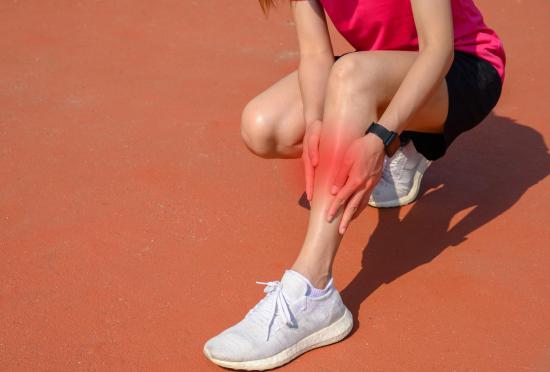
WHY SHIN PAIN SPIKES IN SPRING
As the weather improves, many people naturally return to running, outdoor training, and higher activity levels after a quieter winter.
This sudden increase in load is one of the main reasons shin pain becomes more common during the spring months. Tissues that have adapted to lower activity levels are now being asked to handle repetitive impact, often without enough gradual progression.
Shin pain — commonly referred to as “shin splints” — is typically an overuse-related condition. It develops when the stress placed on the lower leg exceeds what the body can currently tolerate.
This doesn’t mean something is “wrong” — it usually means the body needs time and the right progression to adapt.
WHAT CONTRIBUTES TO SHIN PAIN
Several factors can increase the likelihood of developing shin pain during this transition:
Sudden increase in running volume or intensity
Jumping back into running too quickly can overload the tissues of the lower leg.
Changes in running surface
Moving from indoor or treadmill running to harder outdoor surfaces increases impact forces.
Reduced mobility or strength
Limited ankle mobility or decreased strength in the calf and lower leg can affect how forces are absorbed.
Running mechanics
How the body moves — including hip control and foot strike — can influence how stress is distributed through the legs.
Inadequate recovery
Not allowing enough time between sessions can prevent proper tissue adaptation.
COMMON SIGNS TO WATCH FOR
Shin pain often develops gradually and may present as:
- Tenderness along the front or inner part of the shin
- Discomfort at the start of a run that improves, then returns after
- Increased soreness after activity
- Sensitivity to touch along the lower leg
While mild symptoms may settle with rest, ongoing or worsening pain may indicate the need for assessment.
HOW TO REDUCE YOUR RISK
The goal isn’t to avoid activity — it’s to build tolerance safely.
1. PROGRESS GRADUALLY
Increase distance and intensity step by step, allowing your body time to adapt.
2. BUILD LOWER-LEG CAPACITY
Strengthening the calf muscles and surrounding structures helps improve load tolerance.
3. ADDRESS MOBILITY LIMITATIONS
Improving ankle mobility can support better movement patterns during running.
4. MONITOR TRAINING LOAD
Balance running with rest and recovery to avoid excessive strain.
5. LOOK BEYOND THE PAIN
Shin pain is often influenced by how the entire body moves — not just the lower leg.
HOW PHYSIOTHERAPY CAN HELP
A physiotherapy assessment goes beyond simply identifying where the pain is.
At OPTSC, we look at:
- Training history and recent changes in activity
- Running mechanics and movement patterns
- Strength, mobility, and control throughout the lower body
- Load tolerance and recovery strategies
From there, a personalized plan can help reduce symptoms while keeping you active and progressing safely.
WHEN TO SEEK SUPPORT
Consider booking an assessment if:
- Pain continues to return during or after running
- Symptoms last more than 7–10 days
- You’re modifying your movement to avoid discomfort
- You’re unsure how to safely progress your training
Addressing symptoms early can help prevent more persistent issues.
SPRING TRAINING AND SOCCER PERFORMANCE
For soccer players, the transition into spring training presents similar challenges. Increased running volume, repeated sprinting, and changes in surface all place added stress on the lower legs.
Shin pain can impact acceleration, cutting, and overall confidence on the field. Addressing early symptoms and building strength and control can help players maintain performance and reduce the risk of ongoing issues throughout the season.
BUILDING A STRONG START TO THE SEASON
Spring is an exciting time to get back into activity, but progression matters.
With the right balance of training, recovery, and support, many runners and athletes can stay active while reducing the risk of shin pain.
If you're preparing for the running season or starting to notice symptoms, OPTSC’s physiotherapy team can help you move forward with confidence.


