



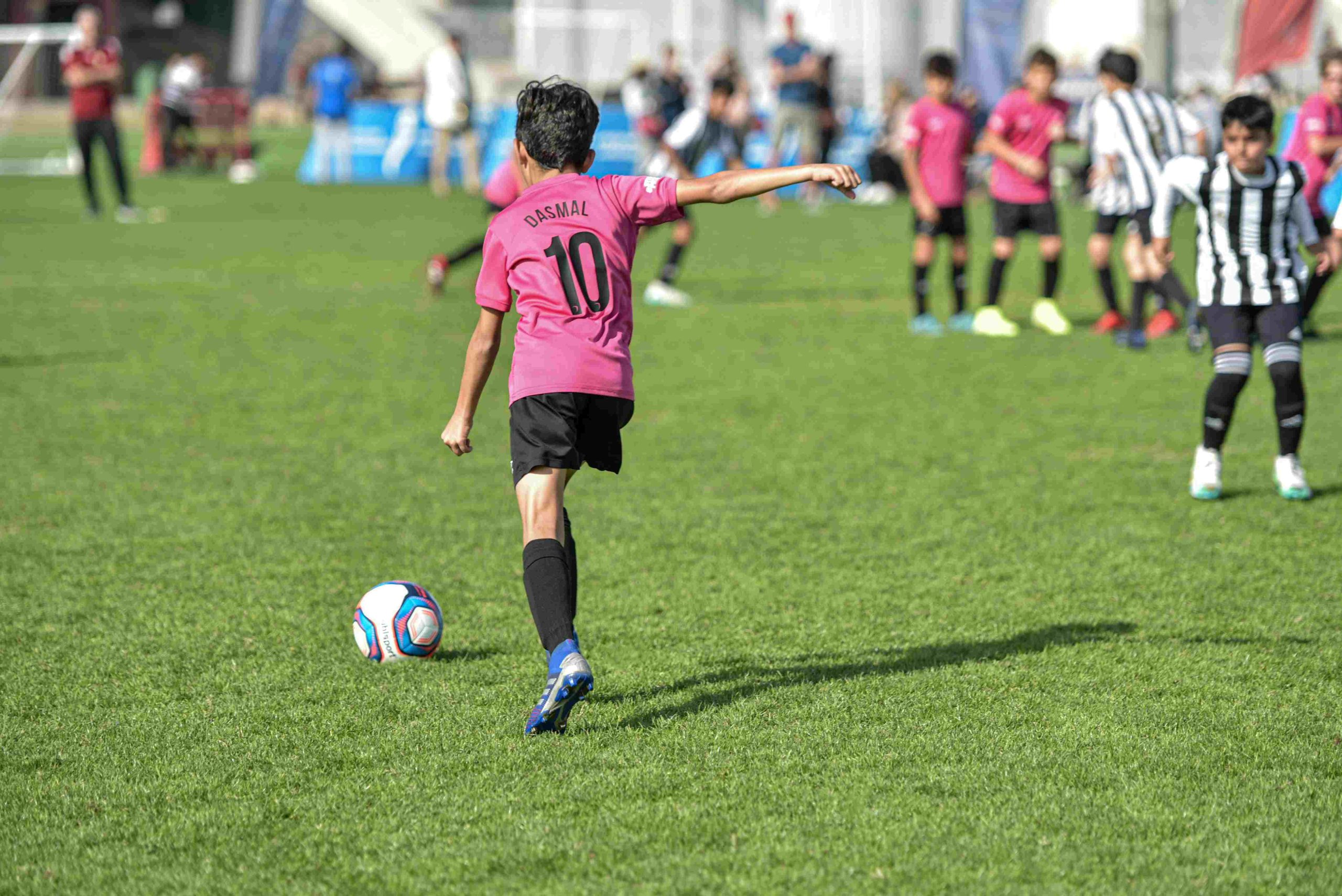
Every August, driveways and backyards across Ottawa turn into makeshift training grounds. A soccer ball gets kicked against the garage door a hundred more times than usual, a hockey stick taps a puck across the basement floor late into the evening, and somewhere on the fridge, a tryout notice with a date circled in marker sets the tone for the whole month. For young athletes hoping to make a rep team or school roster, August often becomes a crash course in trying to get game-ready in just a few weeks, and that compressed timeline is exactly when we start to see more of them in our clinics.
The Tryout Squeeze
Many kids spend the earlier part of summer more casually active, camp, swimming, biking around the neighbourhood, and then, in the final two or three weeks before September tryouts, suddenly ramp up the intensity and frequency of sport-specific training. That jump, from relaxed summer movement to focused, repetitive practice, is a lot to ask of a body in a short window.
Why Growing Bodies Are Particularly Vulnerable
Adolescence brings periods of rapid growth where bones can lengthen faster than the surrounding muscles and tendons can adapt, temporarily reducing flexibility around certain joints. This is part of why conditions such as Osgood-Schlatter disease at the knee, or Sever’s disease at the heel, tend to show up in this age group, and why they’re more likely to flare during exactly this kind of concentrated pre-season training.
Common Pre-Season Injuries We See
- Ankle sprains from cutting and pivoting, especially on uneven outdoor surfaces
- Anterior knee pain from repetitive jumping, kicking, or sprint starts
- Low-grade hamstring or groin strains from sudden sprint and agility work
- Overuse shoulder pain in young swimmers and throwing athletes
Building a Tryout-Ready Body
Rather than waiting for pain to show up, many families now book a pre-season movement or athletic performance assessment. This kind of screening looks at strength, mobility, and movement patterns to catch asymmetries or restrictions before they turn into an injury during tryouts themselves, shifting the focus from just practising skills to preparing the body that has to execute them.
What Parents Can Do This Month
- Build in real rest days between training sessions, not just between games
- Prioritize sleep during this higher-intensity stretch; recovery happens overnight, not on the field
- Check that footwear still fits properly; growing feet outgrow support faster than expected
- Keep hydration and regular meals consistent, especially on long practice days
- Take ‘growing pains’ seriously if they’re one-sided, worsening, or limiting activity
If your young athlete is training hard for an upcoming tryout, a pre-season assessment with our athletic performance or sports physiotherapy team can help identify small issues while they’re still easy to manage. We work with athletes across all nine OPTSC locations heading into fall sports season.