



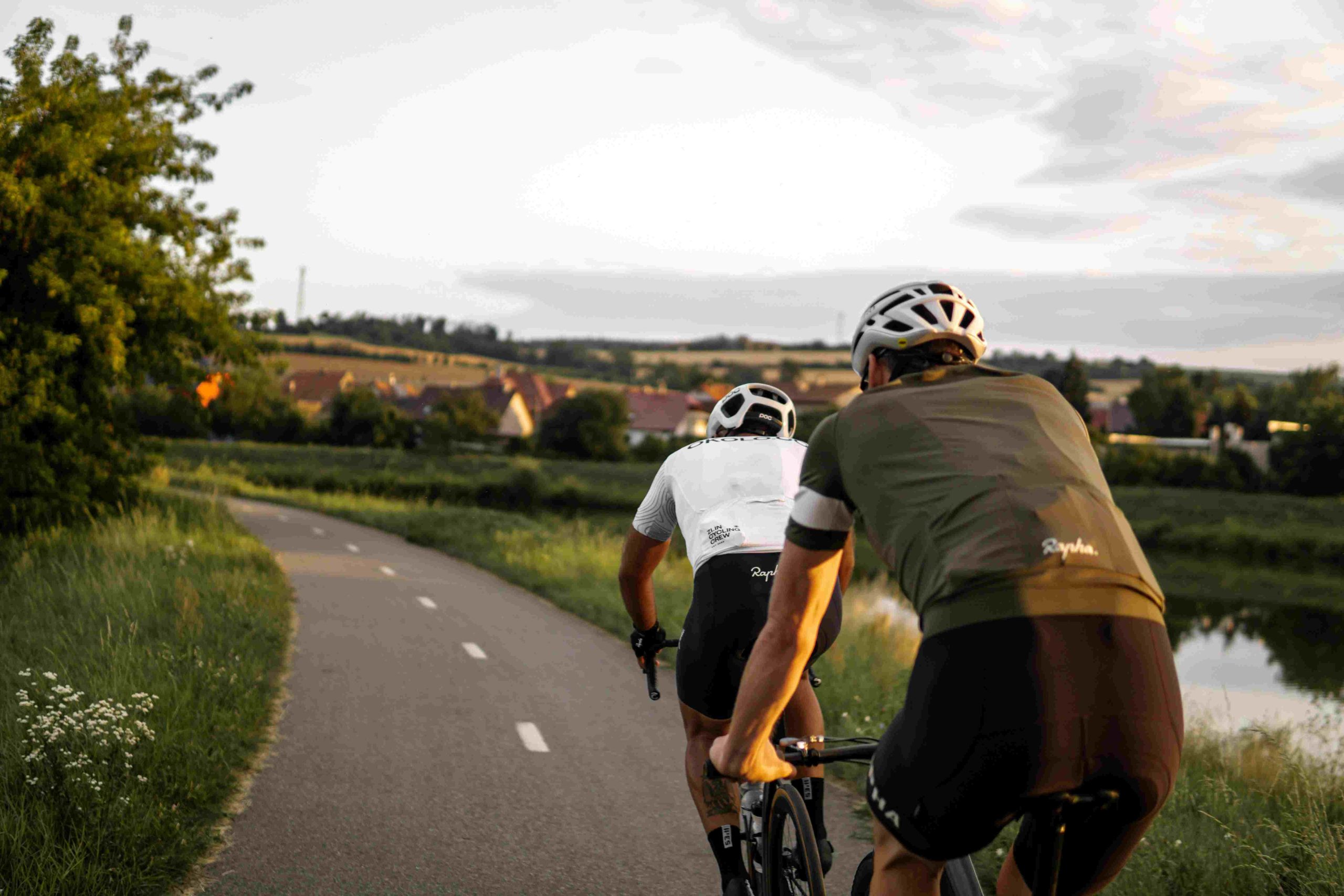
It happens almost every July. Someone arrives at one of our clinics holding their lower back, describing a weekend that began with the best of intentions, a long-awaited bike ride along the river pathway, an afternoon spent moving patio furniture, or the first cottage trip of the season that somehow involved carrying every cooler, canoe, and lawn chair the family owns. By Monday morning, what felt like a well-earned reward for months of waiting out the cold has turned into a sharp reminder that the body does not always keep pace with our enthusiasm.
The Off-Season Debt We Don’t Notice
Over the winter and spring, most of us move less than we realize. Long stretches at a desk, fewer hours outdoors, and shorter days all add up to a quiet kind of deconditioning that doesn’t announce itself the way an injury does. Then the first truly warm week of summer arrives, and Ottawa comes alive, patios fill up, the pathways along the Ottawa and Rideau Rivers get busy again, and weekends fill with paddling, hiking, and yard work. The body is often asked to perform at a level it hasn’t sustained in months, and that mismatch, more than any single activity, is what tends to land people in our waiting rooms.
The Injuries We See Most in July
A few patterns repeat themselves every summer:
- Low back strain from lifting coolers, canoes, and patio furniture without warming up first
- Shoulder overuse from paddling, swimming, or overhead yard work
- Knee and IT band irritation after a sudden jump in cycling distance
- Ankle sprains on uneven cottage trails, docks, and campground paths
- Heat-related muscle cramping after long days outdoors without enough fluids
None of these are unusual injuries; what’s notable is how predictably they cluster around the first few weeks of genuinely warm weather, when activity levels rise faster than the body’s readiness for them.
Why Rest Alone Isn’t Always the Answer
The instinct after a strain is often to stop moving entirely and wait for it to settle. Sometimes that helps in the very short term, but prolonged rest on its own rarely addresses what actually caused the pain: a mobility restriction, a muscle imbalance, or a movement pattern that puts extra load on one area. Left unaddressed, those same factors are usually still there the next time activity picks up again.
How Physiotherapy Gets You Back Outside, Faster
An Ottawa physiotherapy assessment looks past the sore spot to understand why it became sore in the first place. At OPTSC, that often includes hands-on techniques such as Active Release Technique to release tight or restricted tissue, along with a graded return-to-activity plan built around the specific sport or task involved, whether that’s a cycling season, a paddling trip, or simply keeping up with a garden. The goal isn’t just to calm things down; it’s to help the body handle the same load next weekend without the same result.
Enjoying the Rest of Summer Without the Setback
A few habits go a long way toward preventing that Monday-morning ache:
- Warm up before physical work, even yard work; a few minutes of movement prepares tissue for load
- Follow a roughly 10 percent rule when increasing distance, weight, or intensity week to week
- Cross-train so the same muscles and joints aren’t doing all the work, all the time
- Wear supportive, trail-appropriate footwear for hikes and uneven terrain
- Stay ahead of hydration on long, hot days rather than catching up after cramping starts
- Take breaks during long lifting or moving days instead of pushing through in one go
If a strain from a busy weekend is still bothering you a few days later, or if you’d simply like a plan for staying
ahead of these injuries, our sports physiotherapy and massage therapy teams across our nine Ottawa locations are here to help. A quick assessment now can mean a much smoother rest of the
summer.